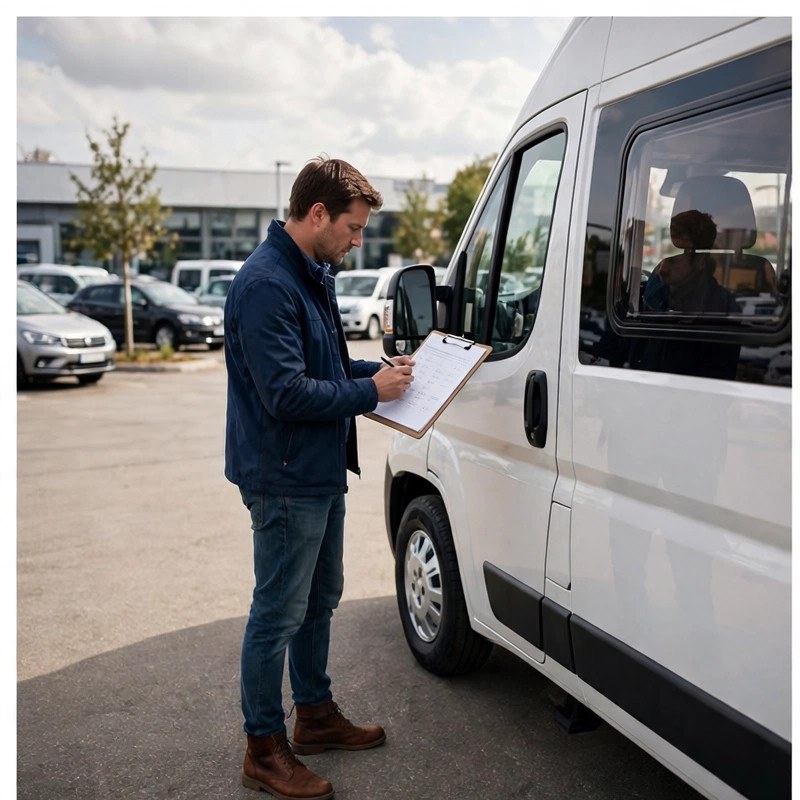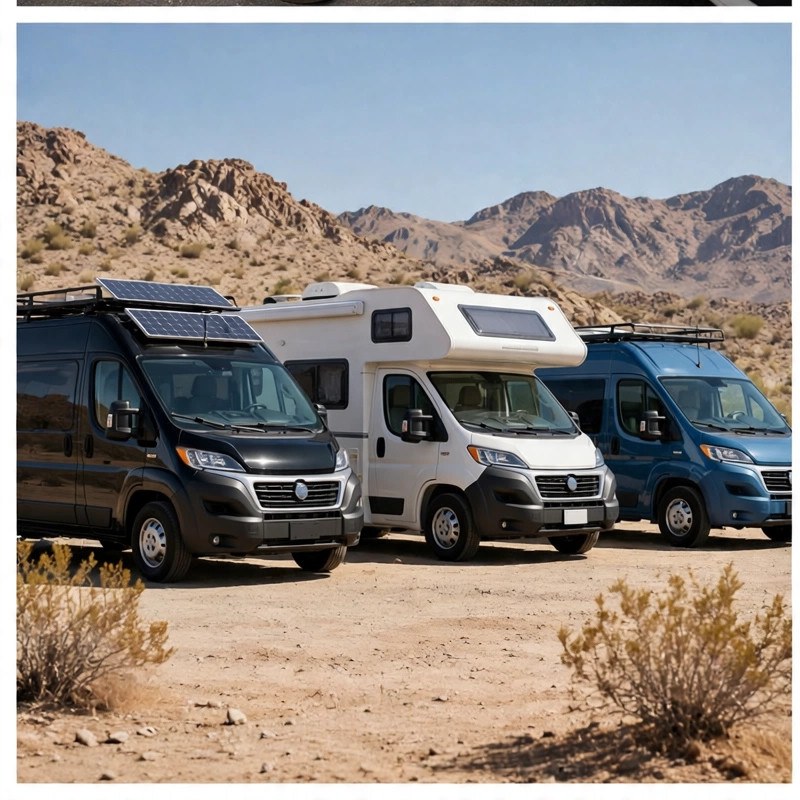
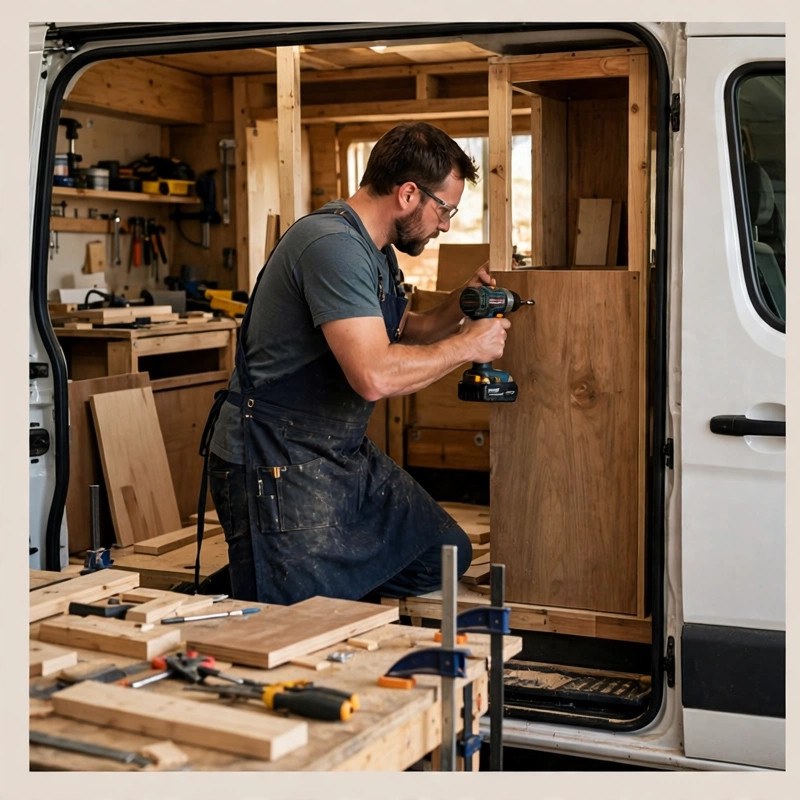
A professional conversion costs $35,000–$100,000+ on top of the van — more than many people's cars. The difference between a great shop and a bad one isn't Instagram photos; it's systems, paperwork, and what happens when something breaks two years later.
Types of builders
| Type | Typical cost | Best for |
|---|---|---|
| Volume upfitters | $50k–$100k+ | Proven layouts, RVIA certification, financing-friendly |
| Custom shops | $35k–$90k | One-off designs, specific needs (accessibility, families) |
| DIY-assist / partial | $10k–$40k | You handle the easy parts, pros do electrical/plumbing |
| Factory Class B | $120k–$250k | Warranty, resale, and RV-loan eligibility |
Questions to ask every shop
- Can I see a build in person — ideally one that's 2+ years old? New builds all look great. Aging reveals the truth.
- What's the warranty, and who honors it if you close? Get it in writing. "Lifetime warranty" from a two-year-old LLC is marketing.
- Do you provide wiring and plumbing diagrams? A shop that won't document its own work is a shop you can't get serviced elsewhere.
- What's your actual lead time right now — and what delays it? Then add 30%. Van build timelines slip; plan for it.
- Who does the work — employees or subcontractors? Both can be fine, but you should know.
- Can I talk to three past customers? Hesitation here is disqualifying.
- How do change orders work? Mid-build changes are inevitable; the process for pricing them shouldn't be a surprise.
Red flags
- Full payment (or >50%) demanded upfront
- No physical shop you can visit
- Won't put the spec, timeline, and warranty in a written contract
- Electrical work with no fusing, no diagrams, or household Romex wire
- Pressure to decide "this week" for a discount
- Only brand-new builds in the portfolio — nothing with miles on it
The contract & payment schedule
A sane structure: 10–20% deposit to book the slot, progress payments tied to verifiable milestones (van acquired, rough-in complete, final walkthrough), and a 10% holdback until you've lived in it for 30 days and the punch list is done. Never pay the final installment before the final inspection.
Buying a used pro build
A used professional conversion is often the best value in van life — someone else paid for the depreciation and the build debugging. Verify which shop built it (build plate or paperwork), confirm the warranty transfers, and run our inspection checklist just as carefully as a DIY van. Then browse builder profiles or shop current listings →